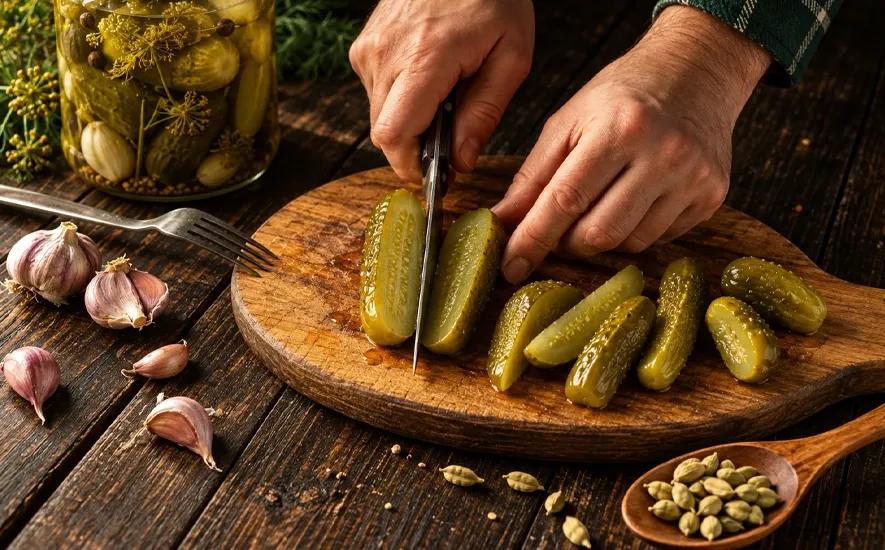
Across GCC professional kitchens, cured, pickled and fermented ingredients are becoming more than pantry staples, they are practical tools for building flavour, adding contrast and creating signature dishes. Their appeal is not rooted in nostalgia, nor does it depend on a passing dining trend. A measured spoon of chilli paste can deepen a broth; preserved citrus can sharpen seafood; natural sweetness can round out a glaze; and pickled garnishes can bring contrast to a rich plate.
Such ingredients also suit the region’s diverse food landscape. Hotel brigades, independent restaurants, and catering operations across the GCC frequently manage Arabic, Asian, Mediterranean and European menus within the same operation. The right pantry components can bring acidity, sweetness, salinity, savouriness and texture to a dish, without adding unnecessary complexity to the kitchen.
The focus therefore, is not to fill shelves with jars. It is to select versatile options that earn their place through flavour, relevance and dependability.
Today’s most interesting applications move well past a side pickle or finishing garnish. Kitchen leaders are blending aged chilli into meat marinades, loosening preserved lemon through yoghurt dressings, turning pickle liquor into sharp vinaigrettes, and balancing local nectar with vinegar for lacquered vegetables or proteins.
One component can travel across several dishes when its role is understood. Gochujang may season a barbecue glaze, enrich a braising liquid or give mayonnaise a spicy, savoury finish. Sun-dried tomato can reinforce a pasta sauce, become part of a tapenade or add concentrated fruit character to pastry fillings. That flexibility matters inside GCC operations, where menu breadth must coexist with sensible storage, streamlined mise en place and reliable execution.
The strongest programmes also strike a balance between in-house preparation and premium ready-made products. Kitchen crews can create a signature condiment while sourcing foundational bases whose acidity, salinity, mouthfeel or concentration remains stable. This allows chefs to focus their time and creativity where it adds the most value, rather than turning every service into another production exercise.
Belberry Preserved Moroccan Lemon offers immediate brightness with rounded citrus depth. Outside tagines, it can lift shellfish preparations, compound butter, labneh, grain salads or grilled chicken marinades. Chef Georges Chihane has already demonstrated its versatility in a seabass dish, showing how a familiar regional ingredient can enter contemporary plating without losing its character.
Fermented chilli pastes provide another broad working base. Youki Tobanjan brings chilli and broad-bean depth to broths, wok sauces, aubergine preparations or meat glazes. Beksul Gochujang contributes heat, sweetness and umami, making it useful for Korean classics as well as roast vegetables, fried chicken coatings, burger sauces or seafood marinades. For busy kitchens, both offer a practical way to build recognisable flavour profiles without having to manage a complex fermentation process during daily prep.
Pickled formats can be equally expressive. Olmeda Orígenes Gildas Skewers bring briny intensity to tapas presentation, welcome bites or grazing menus, while the brand’s Gordal Olives can support relishes, salads and appetisers. Used thoughtfully, these choices cut through dairy, cured meat or fried elements and add an immediate point of distinction.
Preservation does not always announce itself through sourness. La Corvinia Sun-dried Tomatoes concentrate fruit character and savoury intensity, making it a flexible addition for focaccia, risotto, dressings, fillings or composed vegetable plates. That richness can extend a recipe’s flavour structure without requiring another sauce.
Honey brings a different kind of control. Locally produced Hatta Sidr Honey has a dense body suited to glazes, premium syrups, beverages and Arabic desserts. Hatta Wildflower Honey works across breakfast menus, roasted produce, condiments and dressings. Paired with Estoublon Organic Balsamic Vinegar, either variety can create a balanced vinaigrette, reduction or sweet-sour finish while bringing a clear UAE connection to the dish.
Together, these examples show why a modern larder should be built around application, not simply category. Each item offers several menu routes, yet every use begins with a defined purpose on the plate.
A successful test batch is only the beginning. Professional kitchens need to ensure the same flavour, acidity, salinity and texture across a quiet lunch, a full Friday dinner and service across multiple locations. Variability quickly changes yield, prep time and guest experience.
That is why not every element needs to be made in-house. A dependable ready-made ingredient can provide the stable foundation; brigade leaders can then personalise it through aromatics, stock, fresh produce or finishing techniques. This approach protects creative authorship while reducing avoidable variation.
Product specifications also matter. Concentration affects dosage. Cut size changes mouthfeel. Viscosity influences coating. Pack format shapes handling, storage and speed. Understanding these details allows chefs and purchasing teams to assess how an ingredient will perform before it becomes part of a recipe.
For professional kitchens, product quality, consistency and reliable availability are equally important. Selecting products based on their intended application also helps teams get the most from their larder, whether that means the right dosage for a sauce or consistent salinity, aroma and yield from a seasoning.
Before wider rollout, operators should test heat response, holding stability, allergen data and shelf life after opening. Recording those findings in recipe specifications can turn creative trials into scalable methods. Central production units can establish base ratios, while individual kitchens can add final aromatics or garnishes. The result protects house style without flattening local expression.
Pilot records should also capture opening date, refrigerated life, usable yield and acceptable sensory range. These details turn a promising test into a trainable, auditable recipe for busy kitchens.
At Chef Middle East, this is where sourcing and product knowledge become part of the culinary equation. Our portfolio connects global speciality brands with regional choices, allowing operators to build menus that feel distinctive while remaining executable across services and locations.
Familiar ferments will remain essential, but a new generation of bio-crafted solutions is expanding the chef’s toolkit. Chef Georges Chihane explains: “I expect precision-fermented and bio-crafted ingredients to move from niche to mainstream. Chefs will increasingly use fermented dairy alternatives, vegetables and beverages, alongside cultivated fats and enzyme-enhanced flavours, to create cleaner and more consistent recipes without compromising taste or texture. It is a new era in which science elevates culinary creativity.”
However, the value of these developments will depend on application. New technology becomes meaningful when it solves a sensory or operational need, supports repeatable results and gives professionals room to create.
The strongest larders are not the fullest. They are the most deliberate. Pickled, cured and cultured components should introduce a clear advantage: brighter contrast, deeper savouriness, controlled sweetness, stronger identity or steadier execution.
By connecting distinctive products, dependable sourcing and practical culinary knowledge, Chef Middle East helps professional operators choose with confidence. That is how preservation moves beyond the jar and continues inspiring culinary craftsmanship across the GCC.