
As pressure and hidden costs build across GCC foodservice, menus are reaching a tipping point: how long can operators absorb rising costs before value gives way to change?
Not every cost shock announces itself through an empty crate. Sometimes it appears as a quiet supplier note: revised transport charges, a packaging adjustment, a refrigeration surcharge, a shorter quote validity, or a new lead time.
Most chefs are not tracking oil charts or container indices closely. What reaches the kitchen is more immediate. A protein line gets repriced. A dairy item needs an alternative. A takeaway format no longer fits. A dish that worked last quarter no longer carries its margin.
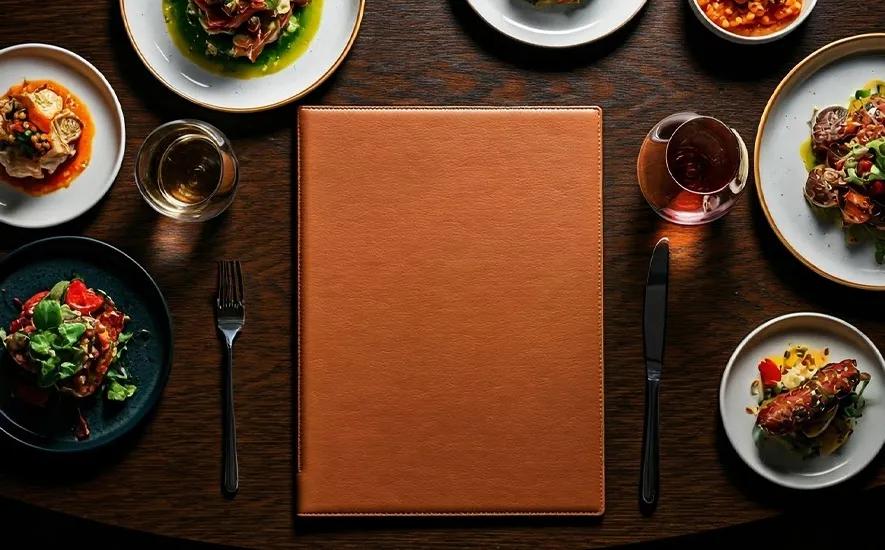
That pressure is now building across GCC foodservice. Availability may hold, but profitability is becoming hard to protect. The UAE consumer foodservice sector reached $17.8 billion in 2024 across more than 17,300 outlets, and around 90% of the country’s food is imported. In a market this large, competitive and import-reliant, rising fuel and handling costs inevitably filter through the menu. The question is no longer whether products can be sourced, but whether they still make commercial sense once they land. Operators who plan ahead, source strategically, and adapt menus quickly will be in a stronger position than those waiting for costs to stabilize,

Zakaria Itani, Head of Sales at Chef Middle East, sees this shift clearly. “Customers are trying to reduce the impact of price increases on their food cost while not jeopardising the quality of the end product,” he said. “Dubai has always been a hub for the F&B industry, and year after year it continues to present high standards and dishes that elevate the experience for visitors, tourists and residents. Operators are eager to deliver the same quality, but they are also facing price pressure. That is why they have to adapt, or amend menus temporarily, by using substitutes at a more reasonable price for both the consumer and their food cost.”
Stock availability alone is no longer enough. Customers now need visibility, alternative origins, substitute options, pricing guidance, and faster decision-making across categories. Support is now needed earlier, before a dish starts losing profitability.
Foodservice has long viewed supply chains through the lens of product availability alone. That approach no longer reflects the full cost reality. Today, the cost chain carries just as much weight.
Oil is often the first pressure point, and its impact quickly ripples through trucking, shipping, air cargo, utilities, packaging, and supplier overheads. Recent reports said energy disruptions lifted the 2026 Brent forecast to $101.96 a barrel, while IATA put jet fuel at $179.46. Ocean freight is also under growing strain, with UNCTAD warning that Red Sea diversions are increasing transit times, fuel consumption, delivery delays, and spoilage risk for time-sensitive cargo.
These numbers flow directly into distributor landed costs. They tighten working capital, pricing visibility, increase pressure on safety stock and make cold-chain planning more expensive. Eventually, the impact reaches the operators through revised pricing, tighter timelines, and fewer straightforward sourcing options.
This is where procurement logic starts to shift. Lowest unit price is no longer the clearest measure of value. A product that appears cheaper on paper can become expensive through longer lead times, reduced shelf life, higher waste, or unexpected replacement costs. Operators are therefore asking different questions: “How much does it cost?”, “Will it arrive on time?”, “Will the quality hold?”, “Is there another origin?”, “Can the pack size change?”, and “Can the dish survive if this price moves again?”.
The GCC will not feel this pressure evenly. Chilled and frozen lines are likely to be affected first, followed by imported proteins, dairy, seafood, specialty bakery ingredients and air-freighted produce.

The pressure also extends beyond ingredients. Delivery-focused brands, catering kitchens, QSR operators and multi-unit groups are more exposed because they rely heavily on centralized storage, tight logistics and frequent replenishment.
Maersk has already pointed to critical Middle East imports being rerouted through alternative Gulf land routes. The system is adapting, but every adjustment adds cost.
The foodservice industry has learned to recognize disruption when containers stop moving. The next challenge is responding before available products turn into margin problems.
The cold chain is a major part of that equation. Refrigeration protects shelf life, food safety, yield, and ultimately the guest experience. Every rerouted shipment places greater pressure on reefer units, warehouses, delivery vehicles, chillers, and freezers.
Utilities are also becoming a more visible operational cost. In Dubai, DEWA applies a fuel surcharge linked to fuel price movements, while Abu Dhabi’s ADDC lists the commercial electricity tariff at 20 fils per kWh. Energy is no longer just a back-office detail expense. It is increasingly part of the food cost itself.
Packaging is facing a similar shift. Rising resin and naphtha costs are putting additional pressure on packaging economics. In delivery-heavy models, cups, lids, trays, tubs, bags and films now play a direct role in protecting or eroding margin.
Itani puts the channel impact in simple terms. “Rising fuel, logistics and supply-chain costs have affected every channel across foodservice. But some channels are responding differently. We have seen stronger results in formats with more delivery presence. QSR has also shown a faster recovery in a short period, as end users have become more cautious about their spending,” he articulated.
Strong demand can hide margin pressure, but it cannot remove it. High-volume channels may continue to grow, yet without reviewing packaging, storage, dispatch, and product mix together, that growth can quickly become less profitable.
A shifting cost base demands a more agile approach to menus, where targeted adjustments carry more value than broad price hikes.
Some dishes should absorb pressure because they drive traffic. Others can be repriced because their value perception supports it. Some need redesign through yield optimization, portion control, prep methods, trim utilization, or garnish adjustments. Others may need to shift by origin, grade, pack size, format, or specification.
The FAO Food Price Index averaged 128.5 points in March 2026, up 2.4% from February, with gains across cereals, meat, dairy, vegetable oils, and sugar. Operators are not managing one spike. They are managing layered cost pressure across multiple categories.
The stronger response is not panic, but disciplined menu management. Operators are reassessing hero items, removing weak performers, expanding approved supplier options, testing substitutes earlier, and becoming more flexible on origin and grade.
According to Itani, flexibility is already visible. “For proteins, we have seen clients move from one origin to another, or adjust grade levels, while still meeting the quality standards they need,” he said.
He further stated, “UAE diners have become more discerning. End users in the UAE have access to multiple dining experiences across restaurants and hotels. That has given them stronger knowledge and taste differentiation. It puts restaurants in a position where they must continue delivering what regular customers expect.”
Guests may accept a change in origin if quality remains consistent. They may accept smaller menu adjustments if the value is still clear. What they are less likely to accept is paying more for a dish that feels compromised.
The supplier advantage now goes beyond pricing and fulfillment. The real value lies in offering alternative origins, regional substitutes, demand planning, inventory visibility, pack flexibility, transparent communication, and fast market intelligence.
This is where distributors need to lead, not by simply pushing replacements, but by helping operators evaluate options clearly. Which lines should be protected? Which ingredients can shift? Which specifications can change without affecting the plate? And which products need backup options before the market tightens further?
This is where Chef Middle East’s role goes beyond supply, operating as a strategic partner. “We took the initiative from day one to stand with our partners,” Itani said. “We worked with supplier partners from the start to absorb a significant share of the increase. Only the remaining impact is passed on, so we can help partners navigate this uncertainty together.”
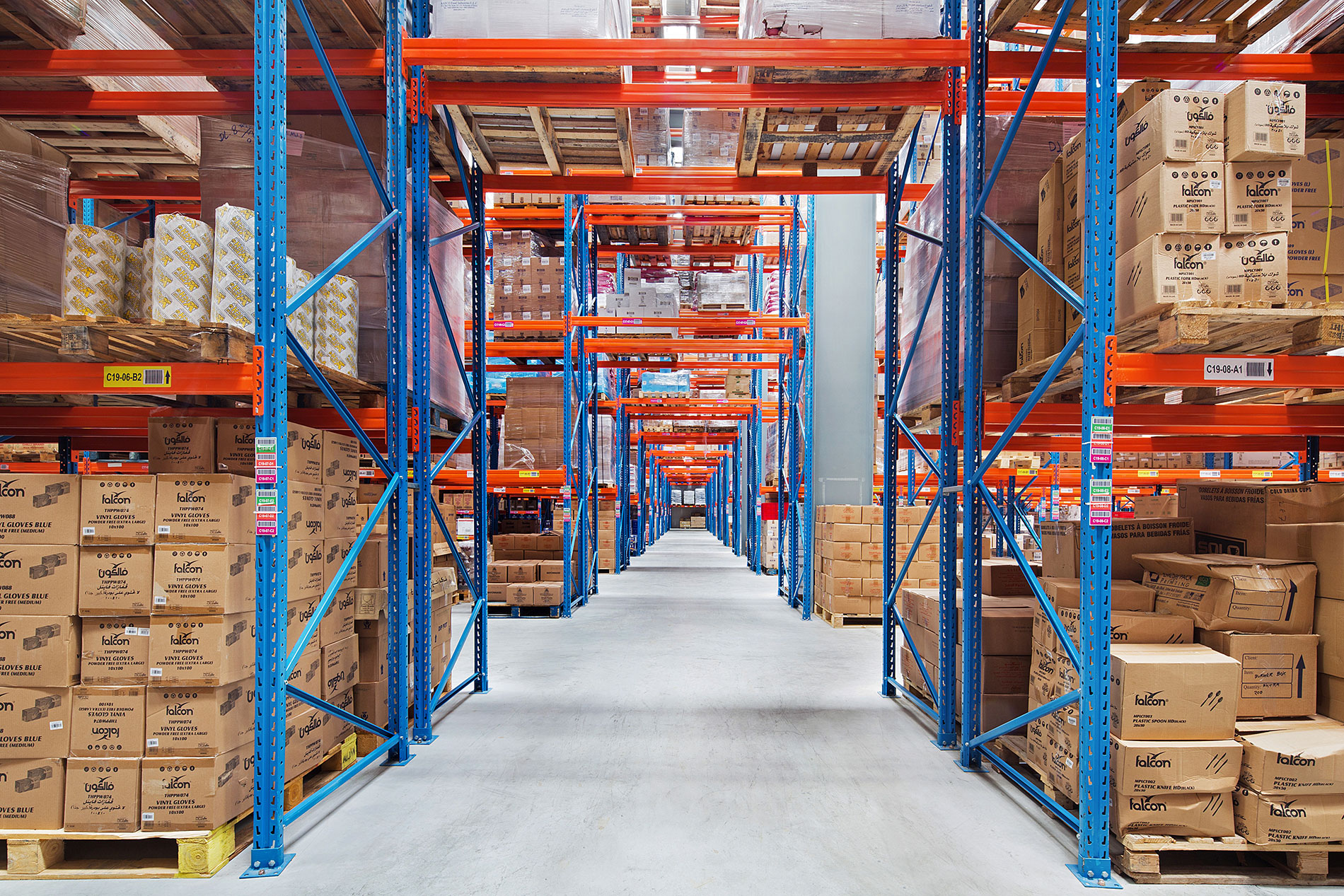
Diners in Dubai expect quality, variety, and consistency, which increases the pressure on operators. They cannot simply trade down and hope guests will not notice. UAE customers are informed, experienced, and increasingly selective.. The dining market is too competitive for careless substitutions.
The next competitive advantage in GCC foodservice will not come from waiting for costs to normalise. It will come from better planning, sharper sourcing, and faster menu decisions. Menus can absorb some pressure, but not indefinitely. The operators that succeed will be those who act before hidden costs start showing up on the plate.